Rainy Day Attractions in the Pennines: 12 Indoor Ideas
The Pennines are green for a reason. Rain comes in off the Irish Sea, meets the first high ground in England, and settles in for the afternoon, often while the valleys below stay merely grey. A wet forecast should not send you home or back to the cottage to stare at a wall. It should send you somewhere with a roof, a guide and a story.
What follows is a dozen ideas for exactly that, from show caves beneath Ingleborough to a Victorian Turkish bath in Harrogate. Most need booking ahead — a point repeated below because it is the one that catches people out.
Go underground: caves and mines
When it rains in the Dales, the water vanishes into limestone. You can follow it. White Scar Cave, just off the A65 near Ingleton, runs about a mile underground and is often described as Britain's longest show cave. The guided walk takes you past calcite formations that look frozen and an underground waterfall that roars harder after heavy rain. It stays cool down there whatever the month, so carry a fleece, and wear shoes with grip — the floor is wet and uneven.
Near Pateley Bridge, Stump Cross Caverns is smaller and suits younger children, with fossil displays and a café at the entrance. Around Castleton in the Peak District you have a genuine choice:
- Peak Cavern, a vast echoing entrance chamber, with a short guided tour.
- Speedwell Cavern, where you travel by boat through a flooded lead mine tunnel.
- Blue John Cavern and Treak Cliff Cavern, both still worked for the purple-blue fluorspar sold in jewellery shops across the region.
Poole's Cavern in Buxton is another good wet stop, with a woodland walk above it if the sky clears. One warning: several show caves close or limit tours in winter to protect hibernating bats, so check dates before you drive.
Museums that swallow an afternoon
The National Coal Mining Museum between Wakefield and Huddersfield is the strongest indoor option in the southern Pennines. The underground tour, led by men who worked the pits, takes you down in a cage and lasts over an hour; you are issued a helmet and lamp, and it is cool down there all year. Surface buildings, the pit ponies and a decent café fill the rest of the day.
Beamish Museum in County Durham is mostly open air but built for mixed weather, with trams, a colliery, pit cottages, shops and large indoor exhibition halls — if the rain sets in, work outward from the halls. Eureka! in Halifax is aimed squarely at children under about twelve. The Dales Countryside Museum in Hawes covers the social history of the uplands well, and the Wensleydale Creamery is a short walk away, which is the sort of pairing that makes a wet afternoon feel deliberate rather than desperate.
In Saltaire, Salts Mill holds a large collection of David Hockney's work alongside a bookshop and places to eat, all under one roof. Killhope Lead Mining Museum in Weardale adds an underground mine tour to its washing floor and waterwheel, though it opens seasonally.
Brewery tours and taprooms
Masham, in Wensleydale, is a small town with an unusual concentration of brewing. Theakston and Black Sheep both run tours and both have bars at the end of them; the Theakston tour finishes in the old cooperage, and the smell of malt stays with you. Book ahead, particularly at weekends, and check that tours are running on the day you plan to visit.
Timothy Taylor in Keighley is one of the harder tours to get onto in the north, so plan well ahead if Landlord is the point of the trip. Smaller operations, including Saltaire Brewery near Bradford and several Dales microbreweries, often keep a taproom open through the afternoon. If you are tasting, settle who is driving before the first half, or take the bus or train and treat the journey home as part of the day.
Historic houses and castles with roofs
Skipton Castle is the obvious wet-day choice in the Yorkshire Dales: complete, roofed and compact, so you can explore rooms, courtyard and stairs without getting soaked. Bolton Castle in Wensleydale is partly ruined, but its restored rooms, tearoom and displays keep you occupied while showers pass over.
In the Peak District, Chatsworth is big enough that rain barely changes the day — house, farmyard and shops, with the garden saved for a dry hour. Haddon Hall near Bakewell is smaller, older and more atmospheric, with medieval kitchens and a long gallery. Hardwick Hall, further east, is a glass-walled Elizabethan showpiece. In the northern Pennines, Raby Castle and Auckland Castle both offer substantial indoor visiting.
Trains, cinemas and a Victorian bath
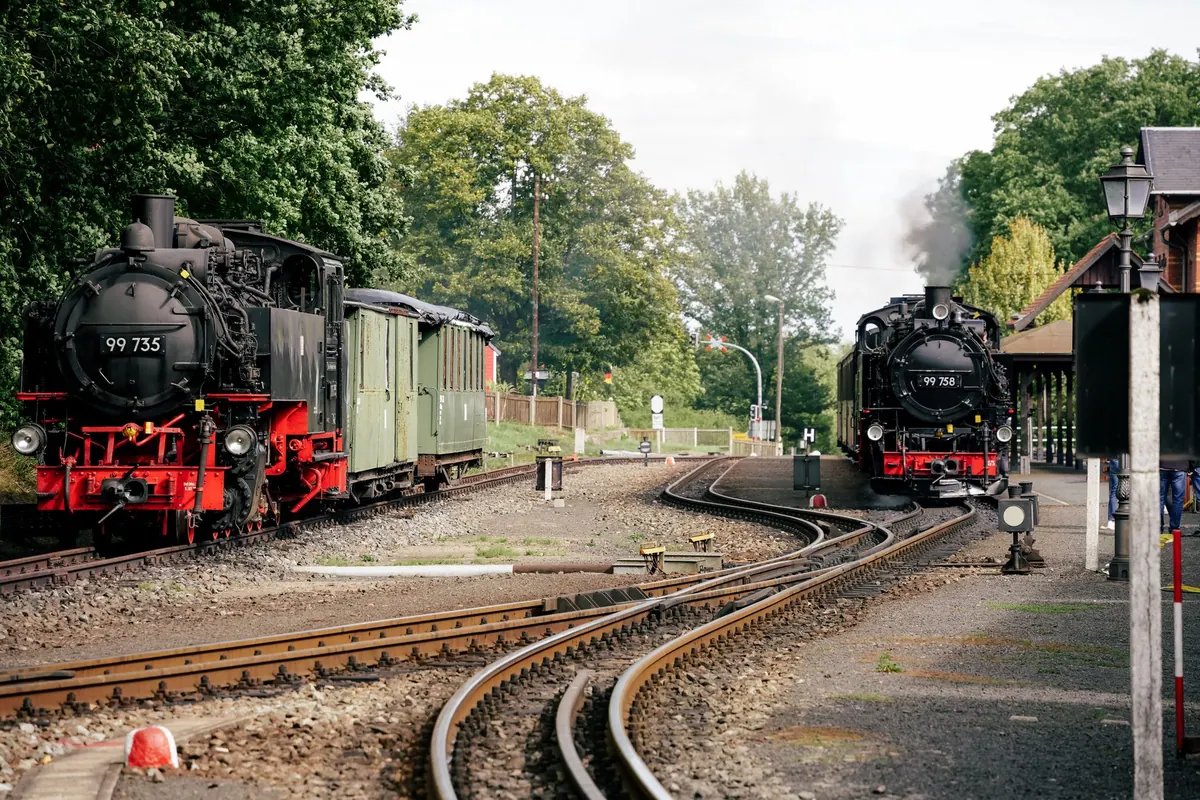
The Settle to Carlisle railway is arguably the best rainy-day activity in the region. You see the Three Peaks, Ribblehead Viaduct and the long climb to Ais Gill from a warm seat, and you can step off at Dent or Appleby and pick up a later train. The Keighley and Worth Valley, Wensleydale and Weardale lines all run heritage services through the year.
Hebden Bridge Picture House has been showing films since the 1920s, Ilkley has its own small cinema, and Harrogate's Turkish Baths let you spend an hour or two between steam rooms and a cold plunge pool. A cinema ticket and a long lunch is not a wasted day. In this weather, it is the correct response.
Practical notes for a wet day
A few habits separate a good wet day from a frustrating one:
- Book the headline attraction before you leave the house. Cave tours, mine tours, brewery tours and spa sessions all run on limited slots.
- Check seasonal opening and winter closures, especially at caves and smaller museums.
- Take layers and footwear with grip. Underground sites are cool and damp even in summer.
- Have a second option within twenty minutes' drive, in case your first choice is fully booked.
- Check road conditions if your route crosses the tops; fog and standing water close minor roads quickly.
Rain is why the waterfalls run and why the hills are that particular shade of green. Plan for it, and the Pennines in wet weather become easier, and far more interesting, than the forecast suggests.
Photo: Guohua Song / Pexels


You Might Also Like
From Edale's Pennine Way start to Bakewell's gentle dales, here is how to choose a Peak District base that puts the walks you want on your doorstep.
Camping, hostels and B&Bs each ask something different of your budget, your legs and your planning. A practical comparison for Pennine Way walkers choosing where to sleep.